 Lewato
Loading title…
Loading title…
2007 · English · 3m
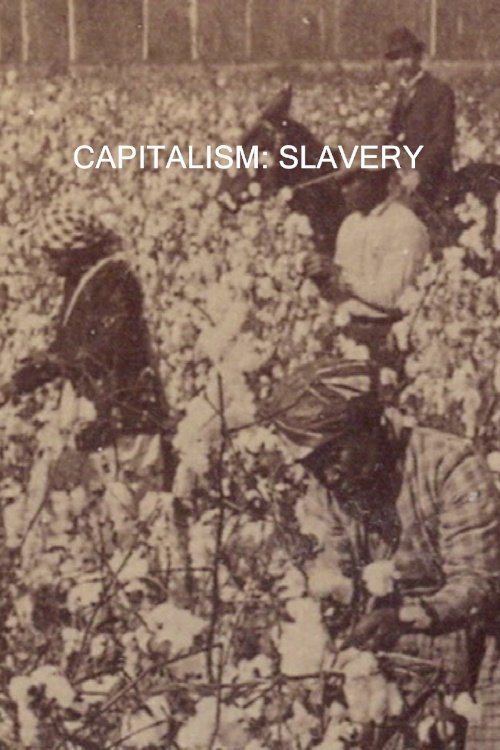
In Capitalism: Slavery, Jacobs uses a Victorian stereograph (a double-photograph) of slaves picking cotton under the watchful eye of a white overseer as the source for this wrenching silent work. Through digital manipulation, Jacobs creates a haunting illusion of depth and movement. It is as if he has "entered" the image and reactivated this historical moment; he moves among the figures and isolates individuals, creating a stuttering, pulsing effect that suggests motion even as it animates stasis.
No rooms yet. Host the first one.
Pick the service you’ll watch on. Everyone in a room uses the same service.
Not listed in your country yet - Listings can be a few days behind, especially on release day.
In Capitalism: Slavery, Jacobs uses a Victorian stereograph (a double-photograph) of slaves picking cotton under the watchful eye of a white overseer as the source for this wrenching silent work. Through digital manipulation, Jacobs creates a haunting illusion of depth and movement. It is as if he has "entered" the image and reactivated this historical moment; he moves among the figures and isolates individuals, creating a stuttering, pulsing effect that suggests motion even as it animates stasis.
We haven’t found Capitalism: Slavery on a streaming service in India yet. Lewato checks again as people look it up.
Yes. Host a room for Capitalism: Slavery on Lewato, or join one, and everyone’s player stays at the same moment, with chat and voice.
Yes. Lewato never streams or shares the video. Each person watches on their own streaming account, and the free Lewato extension for Chrome keeps everyone in sync.
Yes. Public rooms take requests, and the host says yes to each person. Rooms are small, and you can leave, block or report anyone at any time.
Watching together needs a computer with Chrome, Edge or Brave. On your phone you can look up titles and see where they stream.